Kaodi O’Loughlin Campbell has been banned from classrooms after admitting ‘unacceptable professional conduct’
A primary school teacher from Birmingham has been banned from the profession after sending inappropriate Snapchat messages to a pupil she had previously met while working at another school.
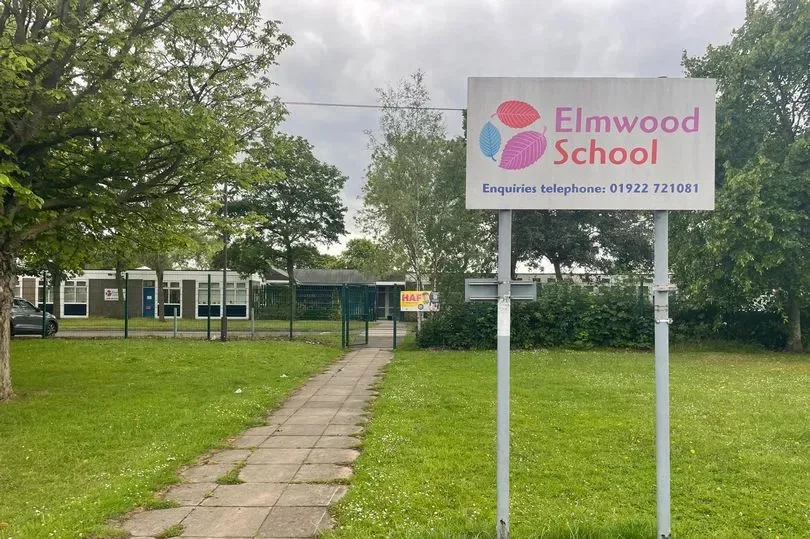
Kaodi O’Loughlin Campbell was employed at Ferndale Primary School in Great Barr. She also undertook supply work at Elmwood School in Rushall, Walsall, a specialist secondary setting for children with social, emotional and mental health needs, between September 2021 and May 2022.

During her time there, she became acquainted with a vulnerable student. Concerns later emerged about contact between the two on social media in early and mid-2023.
The matter was examined by a professional conduct panel convened by the Teaching Regulation Authority (TRA) in January, with its findings released the following month.
According to the published decision, Ms O’Loughlin Campbell was initially questioned about possible messages exchanged with the boy but did not disclose any communication. Later, in October 2023, the pupil reported the contact and provided screenshots of conversations on Snapchat.
Evidence showed that she had shared her mobile number with the pupil and connected with him on Snapchat, where they exchanged messages. In February 2023, she sent a message instructing him to delete their chat history. She also advised him not to save her number under her real name. The following month, she asked him to re-add her on Snapchat and again told him to remove their messages.

When interviewed by the school in November 2023, she denied contacting former pupils via Snapchat after leaving Elmwood in May 2022, describing her dealings with students as “always formal”. However, when presented with the message records from 2023, she acknowledged both sending and receiving them.
The TRA panel concluded that between January and March 2023 she had engaged in inappropriate communication with a former pupil. She admitted providing her phone number, exchanging private messages, encouraging the deletion of conversations and directing the pupil to communicate through Snapchat.
The 34-year-old also accepted that she was aware of the pupil’s vulnerability. In addition, she admitted that on several occasions she had falsely denied having any contact with him. The panel described this as dishonest and an attempt to conceal her actions. She further conceded that she had crossed professional boundaries.
In considering the outcome, the panel examined whether her conduct had damaged the reputation of the teaching profession. While it accepted there was no malicious intent and no evidence the pupil had suffered direct harm, and noted her claim that she was motivated by a wish to support him, the panel found that appropriate support could have been offered through professional channels.
It also determined that, although the communication occurred after both had left the school, the relationship stemmed from her role as a teacher and remained linked to it.
The panel ruled that her behaviour amounted to serious misconduct that fell well below the standards expected of educators and constituted unacceptable professional conduct. It also noted a message she sent stating she was not trying to pursue the pupil in an inappropriate way and expressing that she wanted the best for him. Nevertheless, the panel concluded her actions risked bringing the profession into disrepute.
While members believed she may be capable of making a positive contribution to education in the future, they recommended that the Secretary of State for Education impose an immediate prohibition order, effectively banning her from teaching.
A review period of two years was set, allowing her time to reflect and demonstrate insight. The panel added that even if she is not working directly with children during that period, this should not prevent her from showing she is fit to return to the classroom in the future.