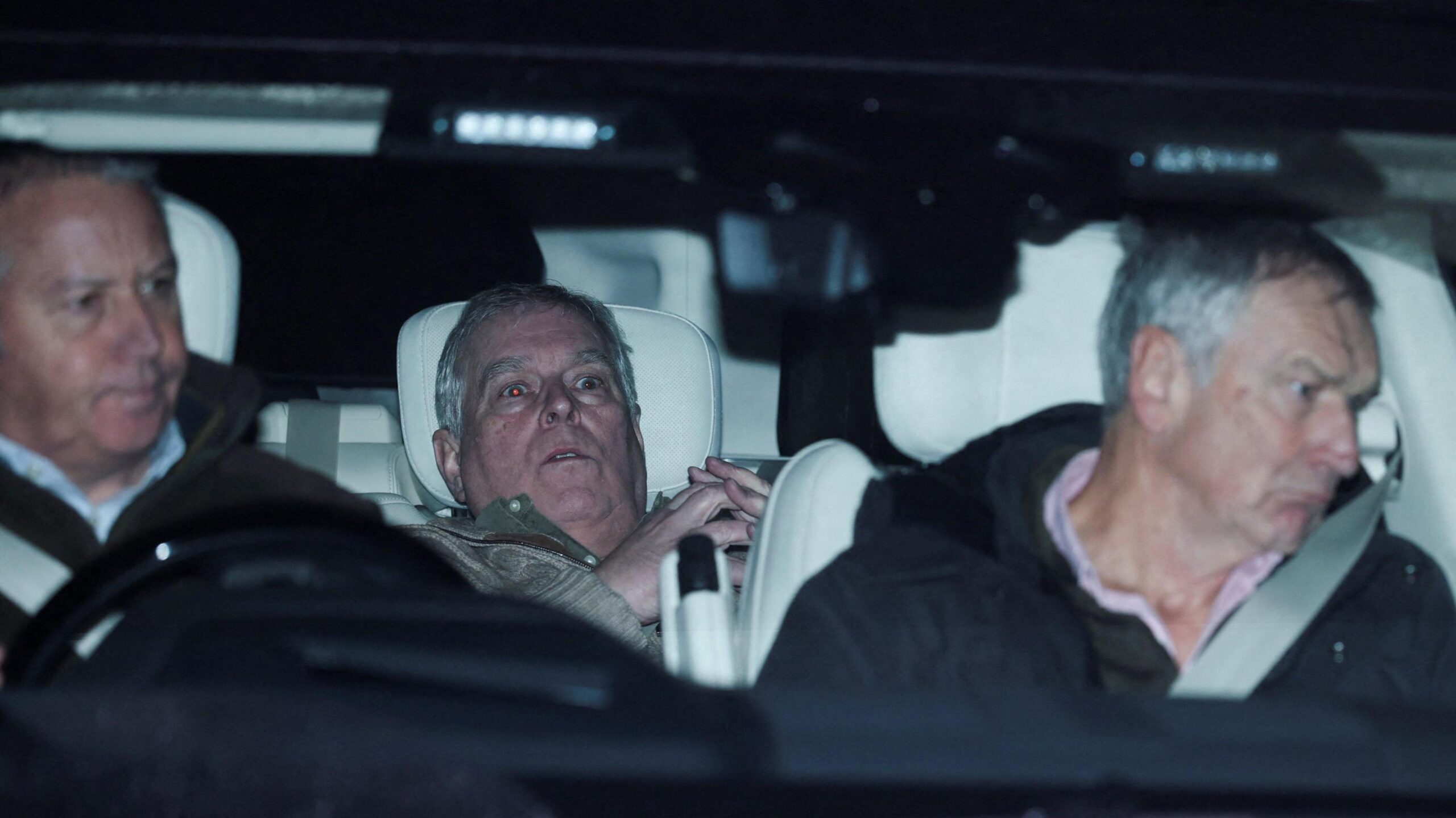
“I think this is going to be one of those photos that goes down in history.”
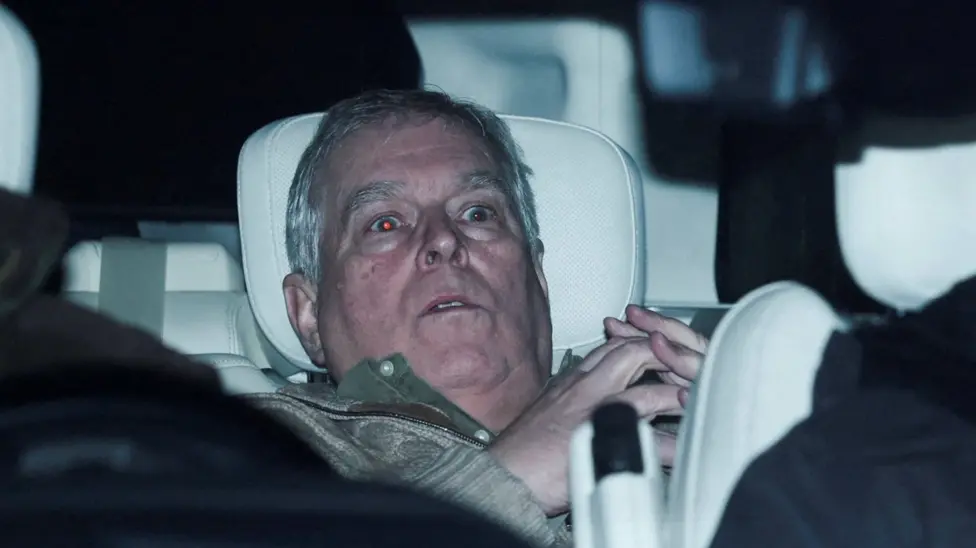
It is an image that is on the front of newspapers and at the top of websites around the world – Andrew Mountbatten-Windsor, shell-shocked and slumped back in a car after his arrest.
The Reuters photographer behind the snap, Phil Noble, waited outside Aylsham police station for hours following a tip-off, and took six photos – only one of which showed the former prince in focus. Noble said it was “surreal” to see his photo becoming the defining image of a major news story.
It is images like this, said Birmingham-based photographer Johnathan Williams, that show the world the importance of the role of photographers.
“When you write an article, you’re going to have to have something alongside it that accompanies it to bring it all together,” said Williams.
“The first thing that people see is the headline and then the photo, and the photo is what captures people’s attention.
“It’s the gateway that leads people to being informed, essentially.
“Everyone goes ‘these photos are going to exist forever’ and I think that’s why photography is so important.”

The BBC doesn’t know the specifics of the allegations but the detention follows previously-reported claims that he shared official documents from trade visits and a confidential briefing on investment in Afghanistan with the late financier and sex offender Jeffrey Epstein – as well as passing a Treasury briefing to a personal business contact.
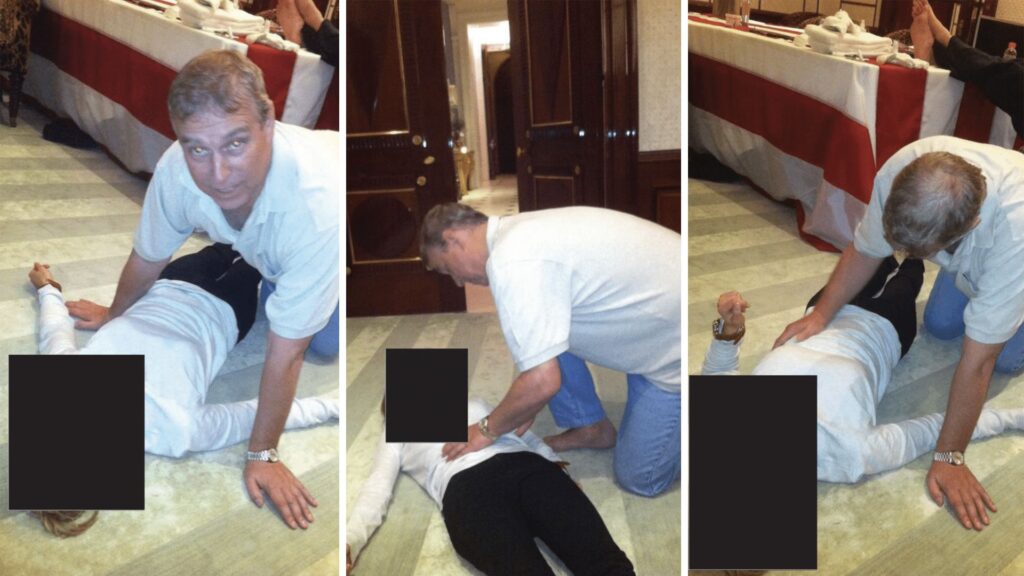
He has consistently denied any wrongdoing in his associations with Epstein.